
Ten Common Mistakes to Avoid on Your First Trip to Japan
First-time visitors to Japan trip up on the same handful of things: cash, transport cards, bins and train manners. Here are ten mistakes to avoid, with practical fixes.
Japan is one of the easiest countries in the world to travel through, which is exactly why a few small assumptions catch first-time visitors out. Nothing here is designed to trip you up. But how people pay, where rubbish goes and how quiet a train carriage can be all work differently from what most visitors expect. Get these ten things roughly right and the trip runs far more smoothly from the moment you land.
Mistake one: expecting to pay by card everywhere
Japan is not a cash-only country, but it is noticeably less card-friendly than most of Europe. Hotels, department stores, chain restaurants and convenience stores take cards and contactless without complaint. The gaps are what surprise people: a tiny family-run noodle shop, a rural bus, a temple stall, a market vendor, the occasional taxi. Plenty of these still run on notes and coins.
Carry a sensible float of cash — a couple of days' worth of spending — and top it up as you go. Convenience store ATMs, particularly at 7-Eleven and Japan Post branches, are the most dependable places to use a foreign card. Airport arrivals halls are fine too. Your hotel may change money, but rarely at a kind rate.
Two smaller points. Coins matter more than you expect: lockers, shrine offerings and small purchases all want them, so a coin purse earns its place in your bag. And check what your own bank charges for overseas withdrawals and card payments before you fly, rather than discovering it in a statement afterwards. If the fees look steep, ask them about a travel-friendly option.
Mistakes two and three: winging it on transport cards and rail passes
An IC card is the most useful thing in your wallet. These rechargeable cards — Suica and Pasmo in Tokyo, ICOCA in Osaka, others elsewhere — cover almost every train, subway and bus you will use, and they work in convenience stores and vending machines as well. You tap in and out, and the fare is worked out for you. Buy one at the airport or from a station machine, or set one up on your phone before you travel. Physical card supplies have been limited at times in recent years, so check what is available when you arrive rather than building your plans around one specific card.
The second mistake is assuming a rail pass saves money automatically. The nationwide Japan Rail Pass is convenient, but the price rose sharply a few years ago and it only pays off if you are covering long distances by JR trains. Compare it with ordinary tickets for the route you actually plan to travel, and look at regional passes too — they are often better value for a single area. Remember that a pass covers JR lines only: city subways and private railways are separate, and the two fastest shinkansen services are excluded. For most city-focused trips, an IC card plus one or two point-to-point shinkansen tickets is simpler and cheaper.
Mistake four: hunting for a rubbish bin that isn't there
Japan is spotless, and part of the reason is that there is almost nowhere to put your rubbish. Public bins are rare. The ones that exist usually have a purpose: bins outside a convenience store are for what you bought there, and bins beside vending machines take cans and bottles only. Stations and hotel rooms have bins; the street generally does not.
So carry a small tote for the day's odds and ends — a wrapper, a used tissue, an empty bottle — and empty it at your hotel or in a station. Sort as you go where you can: burnable rubbish, plastics, and cans or PET bottles are usually separated, and the labels on the bin will tell you which is which. Many shops now charge for a plastic bag, so the same tote doubles as a shopping bag. It becomes second nature within a day.
Mistakes five and six: forgetting how Japanese trains work
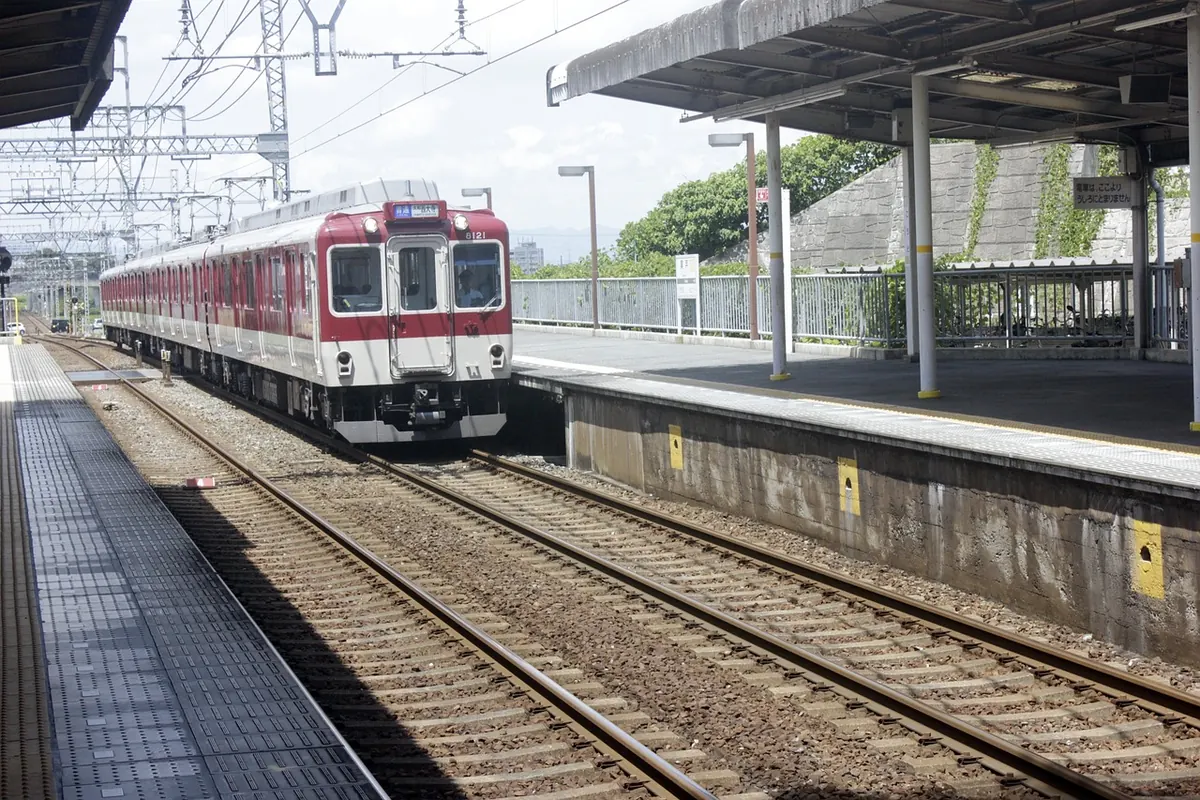
Japanese trains are punctual, clean and remarkably quiet. The silence is not an accident; it is a shared courtesy, and matching it is the quickest way to stop feeling like a visitor.
- No phone calls. Keep your phone on silent and take calls off the carriage, or send a message instead.
- Keep headphones low. Music that reaches the row in front is noticed.
- Don't eat on commuter trains. On a shinkansen or limited express, a bento box is part of the experience and entirely normal.
- Take your backpack off. Wear it on your front in a crowded carriage, or put it in the overhead rack.
- Queue on the platform markings. Stand to the side of the doors, let passengers off first, then board.
- Give up priority seats if someone needs them more than you do.
- Check for women-only carriages, which operate on some lines at busy times. The signs will say so.
One ticketing note: some limited express services need a seat reservation or a supplement on top of your IC tap. If a gate or a guard seems to expect something extra, ask station staff. They are patient with confused visitors, and asking costs nothing.
Mistakes seven and eight: getting shoes and onsen wrong
Shoes come off more often than most visitors expect. Watch for a step up at the entrance, a change of floor level or a neat row of shoes — that is the genkan, and it is your cue. Ryokan, minshuku, many temples, some restaurants and any private home will expect you to leave your shoes at the door and step into the slippers provided. Wear socks without holes. If you spot a separate pair of slippers beside a toilet door, those are for the toilet only; swap in and out rather than walking them back into the room.
Onsen and sento follow a simple ritual. Wash thoroughly first, sitting on the small stool at the shower stations, and rinse off all the soap before you get into the bath. No swimwear, no towels in the water, and tie long hair up. Keep your voice low. Tattoos are still refused at some baths, so check ahead, or look for a private family bath or a tattoo-friendly option. It sounds like a lot of rules; in practice it takes two minutes, and the bath itself is one of the best things about travelling in Japan.
Mistakes nine and ten: the small habits that carry weight
Tipping is not part of the culture and tends to create mild confusion rather than delight. Good service is the norm, not a favour. A sincere arigatou gozaimasu as you leave does the job. Where there is a small tray at the till, put your money on the tray rather than into the cashier's hand, and take your change the same way.
At the table, two chopstick habits are worth avoiding: never stand them upright in a bowl of rice, and never pass food from your chopsticks to someone else's. Both echo funeral rites. If a rest is provided, use it. Eating while walking is generally frowned upon, so eat your skewer or crepe standing near the stall rather than strolling down the street with it.
Queues are orderly and worth respecting, whether at a platform, an escalator or a till. Wait for the green man before crossing, even on a quiet road. Carry your hotel's name and address in Japanese, written down or saved in a translation app, along with a few phrases: sumimasen for excuse me, arigatou gozaimasu for thank you, onegaishimasu when you are asking for something. People will meet you more than halfway.
Before you fly: a short checklist
- Cash for a few days, plus a card you have already told your bank you are taking abroad.
- An IC card plan: buy on arrival, or set one up on your phone.
- Offline maps and a translation app with Japanese downloaded.
- A tote for rubbish and shopping, and a coin purse.
- Socks without holes and shoes you can slip on and off easily.
- Your hotel's address in Japanese, saved somewhere that works without signal.
Comfortable shoes matter more than you think; you will walk further in a day than you expect. Sort your travel insurance before you go and read the policy properly rather than assuming you are covered — if you have an existing medical condition, check the details with the insurer directly. Put two or three of these habits in place and Japan stops feeling like a puzzle and starts feeling like the easiest, most generous country you have travelled through in years.
Photo: Zlatano16 / Pixabay